
Here in the midwest, temperatures are finally starting to cool, leaves are turning red, and our minds are turning to camping, making s’mores around a fire and enjoying nature.
Whether you’re planning to do a deep dive into the backcountry or car camping with friends at a local park, here are some things we’ve been testing that can make your campout better.
Setting Up Camp
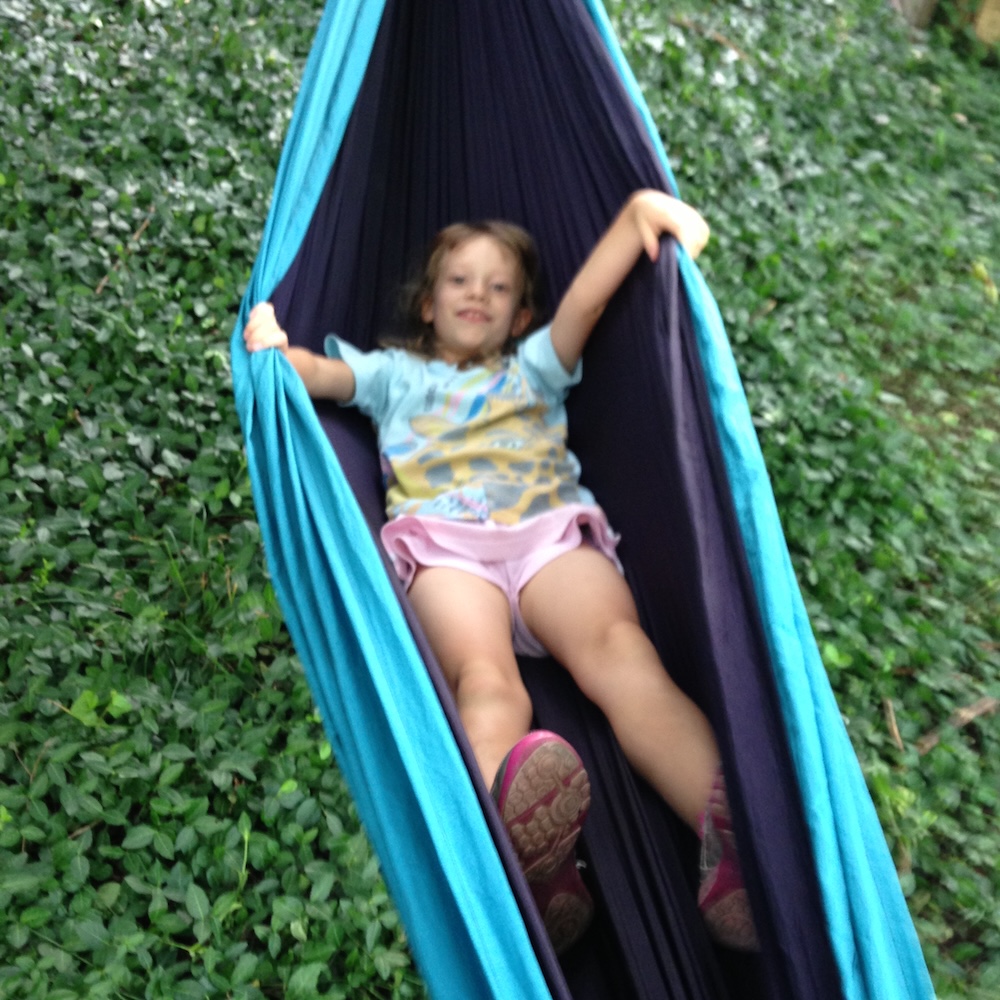
Some would say that if you’re going to camp, you gotta’ have a tent, but that’s not always the case. A couple of our reviewers are dedicated hammock sleepers. They’ve been big fans of ENO hammocks since we got them in for review over at Bike World News some years ago.
Hammock fans will generally tell you that they’re more comfortable (and warmer) than a tent, because it gets you up off ground. Our reviewer Danny has camped in snowy conditions with one more than once. If you’re concerned about rain, it’s easy enough to string up a fly to keep dew or even light rain off of you.
Personally, I’m a tent and sleeping bag guy, and my ‘go to’ tent for the last several years has been the MSR Hubba Hubba ($550) backpacking tent. Mine is a 2 person model, but they also have 3-person and bike packing focused tents in the same line.
I love the Hubba Hubba because it packs up light when I AM heading into the backcountry, but still provides more than enough space for me and my partner if we’re just setting up for the weekend at our local park. There’s more than enough headroom to sit up and move around.
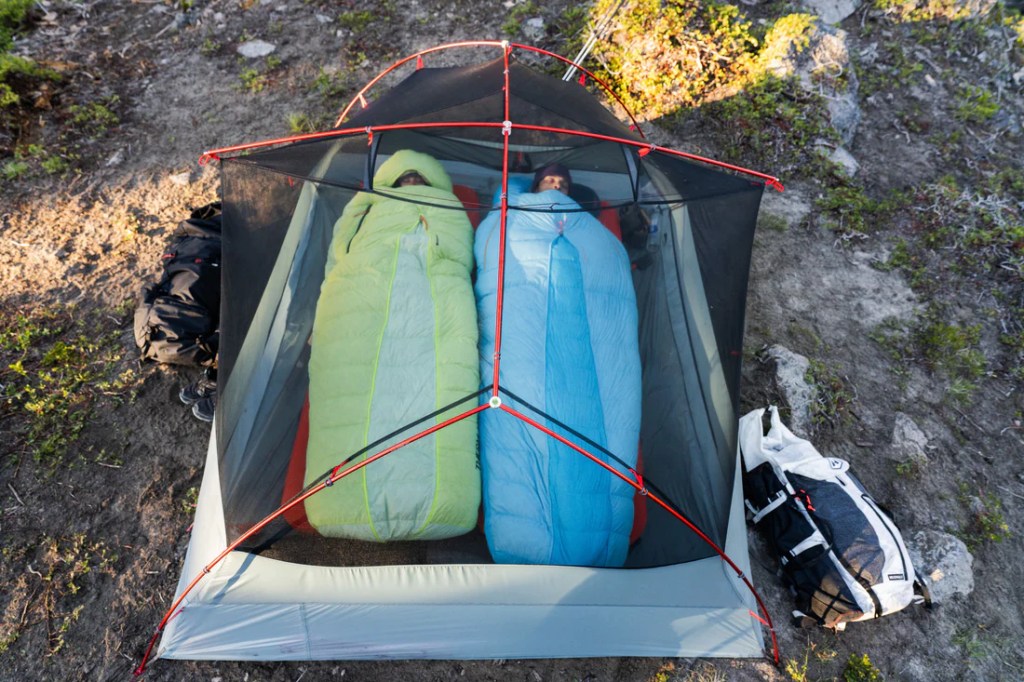
I can attest that’s it’s super easy to pitch. I had the ‘opportunity’ to set it up at dusk up in the remnants of a hurricane that was blowing through Dolly Sods Wilderness a couple of years ago, and had no issues. I may not have slept much that night because of the buffeting winds, but I did stay dry.
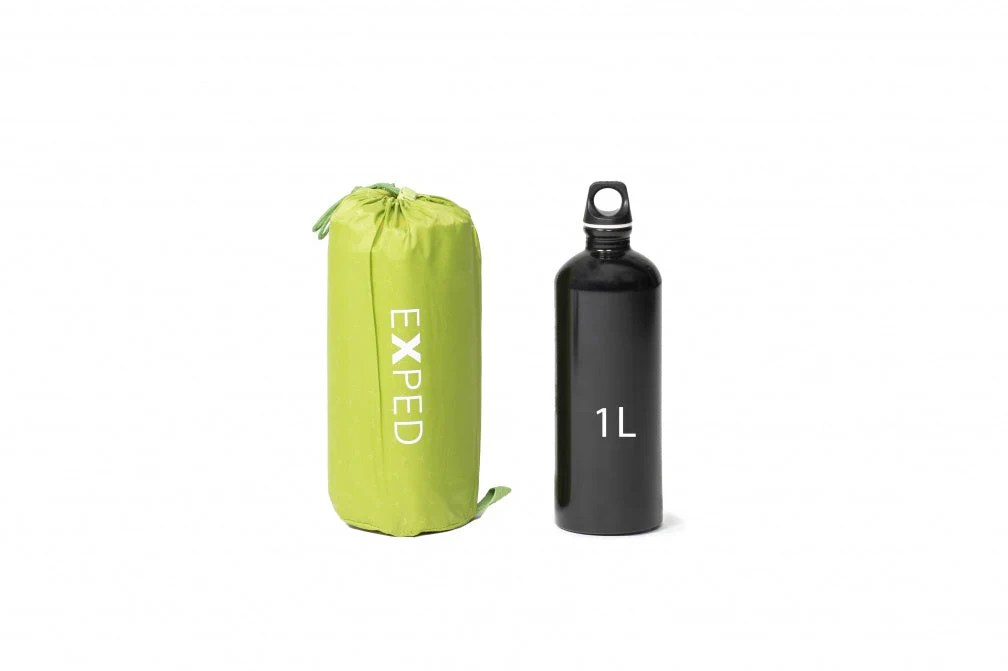
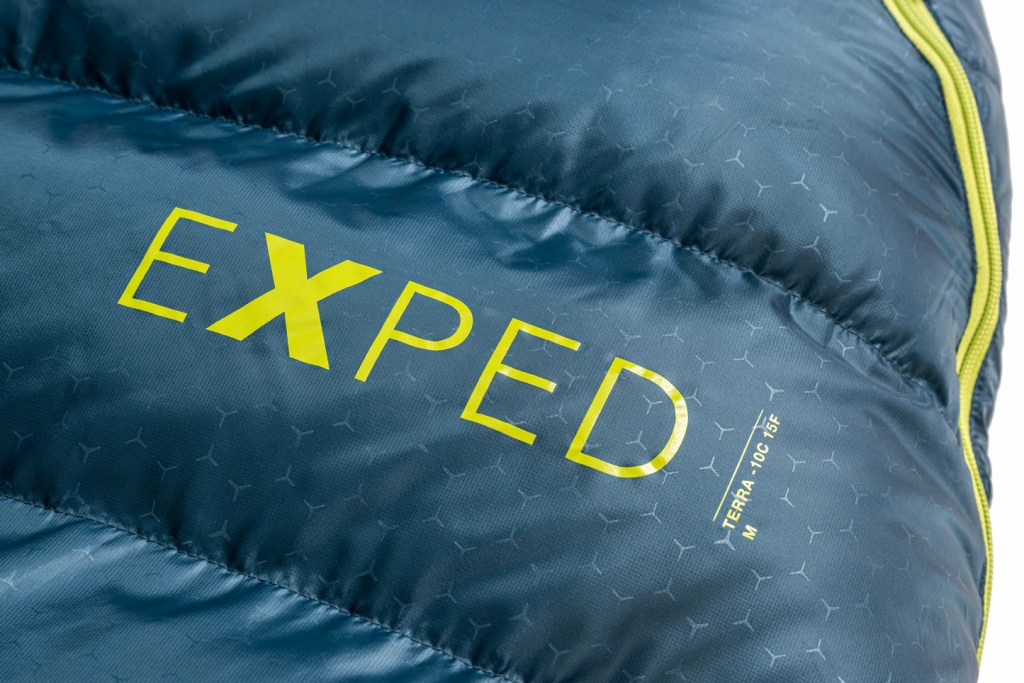
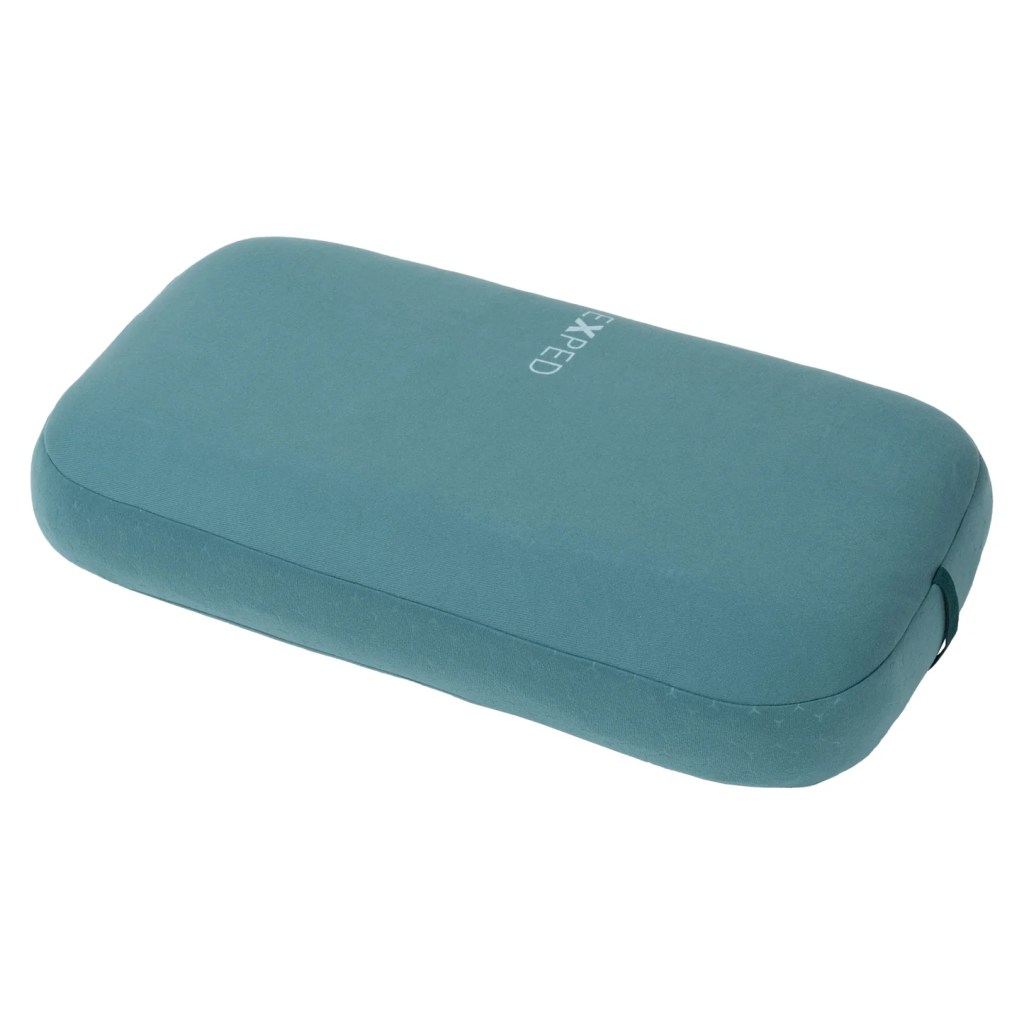
With the tent loaded up, you need to put something inside of it. As the weather has started to get a little cooler, we’ve been testing Exped’s new Terra 30° sleeping bag paired with their Ultra line of sleeping pads and Mega pillow.
While the Terra line is focused on backpacking, it has shown plenty of versatility for car camping as well. The new Terra line was developed with a focus on warmth, durability, and compact size when packed. What’s more, it’s available in 5 sizes so you can always get to perfect fit to get the most of the warmth level.
The Ultra line of sleeping pads is truly a full line with a range of insulation values, lengths, shapes and sizes. We found the Ultra 3R to offer plenty of insulation and padding for 3 season use. If you’re planning to be camping out in colder weather, the 5R serves up an R-value of 4.8 and should be comfortable down to -20° C / -5 °F.
The Exped Mega Pillow is the closest thing to your home pillow that you’re going to find for camping. Smaller than a Nalgene when deflated, it expands to a 21x13x5″ pillow when inflated. The recycled stretch tricot polyester surface material feels soft and warm to the touch, ensuring a cozy night’s sleep. It’s easily is customizable for different comfort preferences. Fine tune your desired firmness level by adding additional air for a firmer pillow or releasing excess air for a softer pillow.
Turn on the Lights!
If you’re like me and can’t roll off to sleep without some reading, you need some tent lights. Even if not, it’s nice to be able to look around in your space and find your things when it’s pitch black outside.
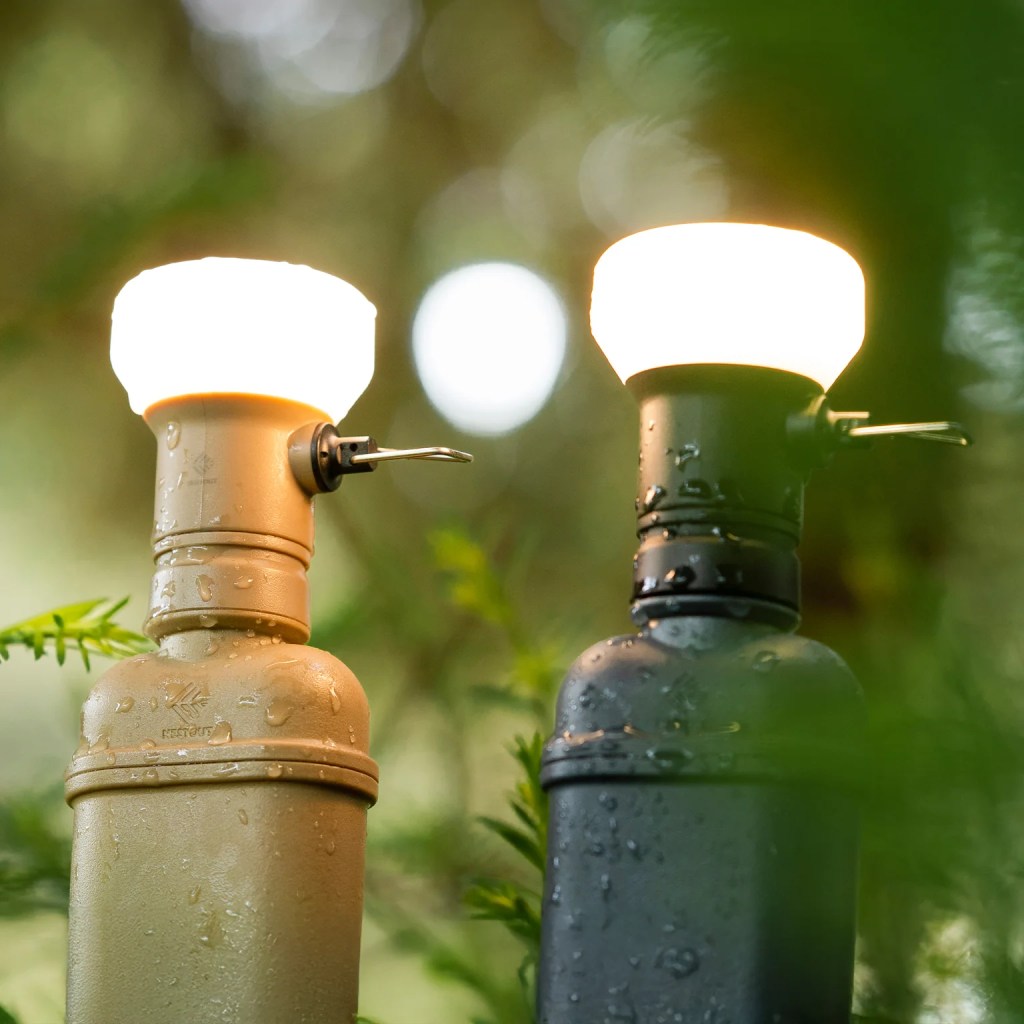
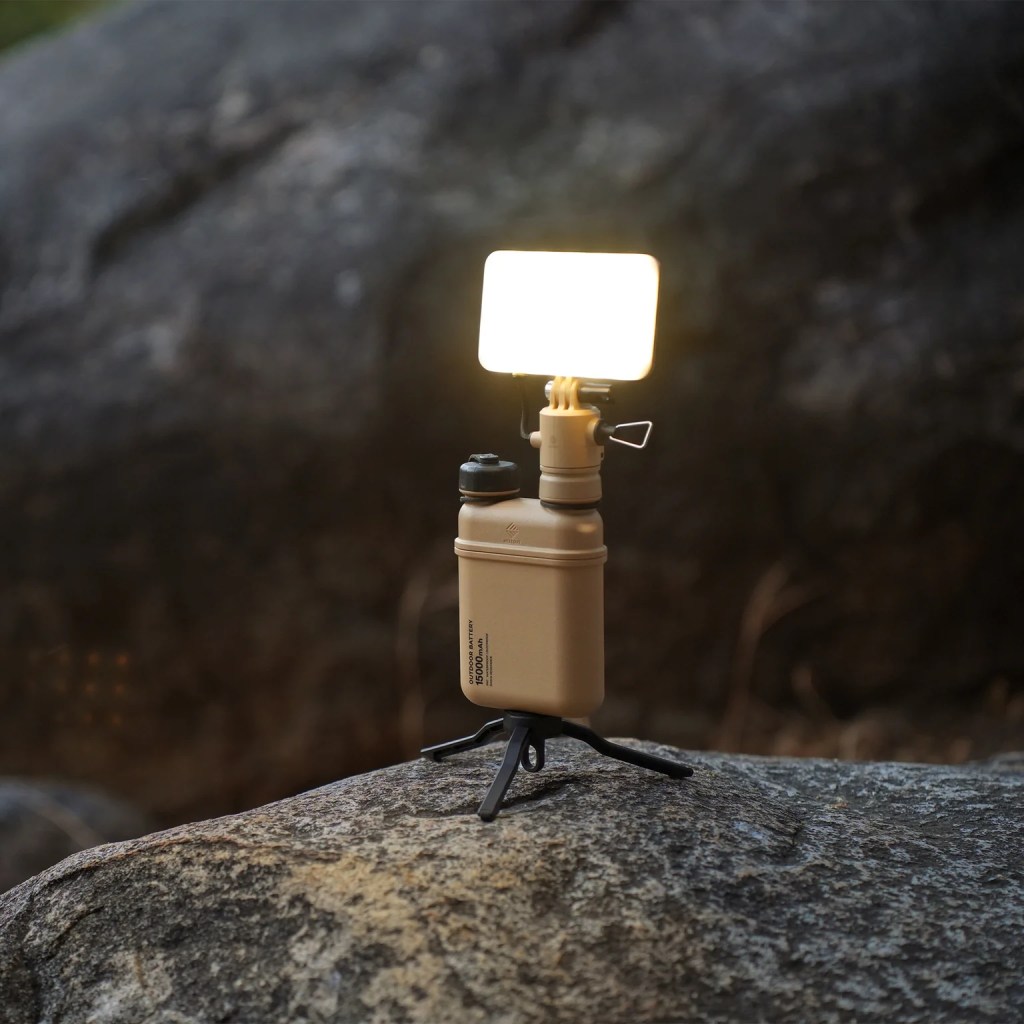
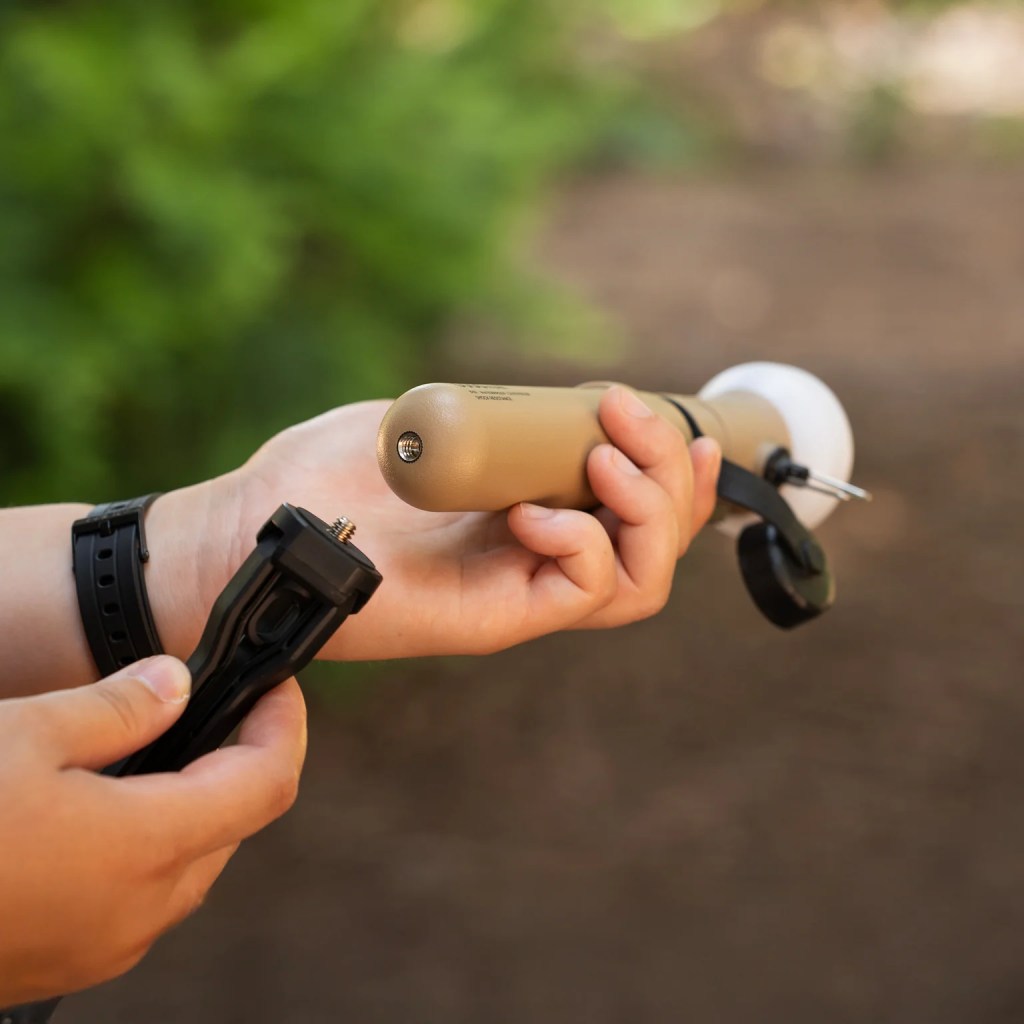
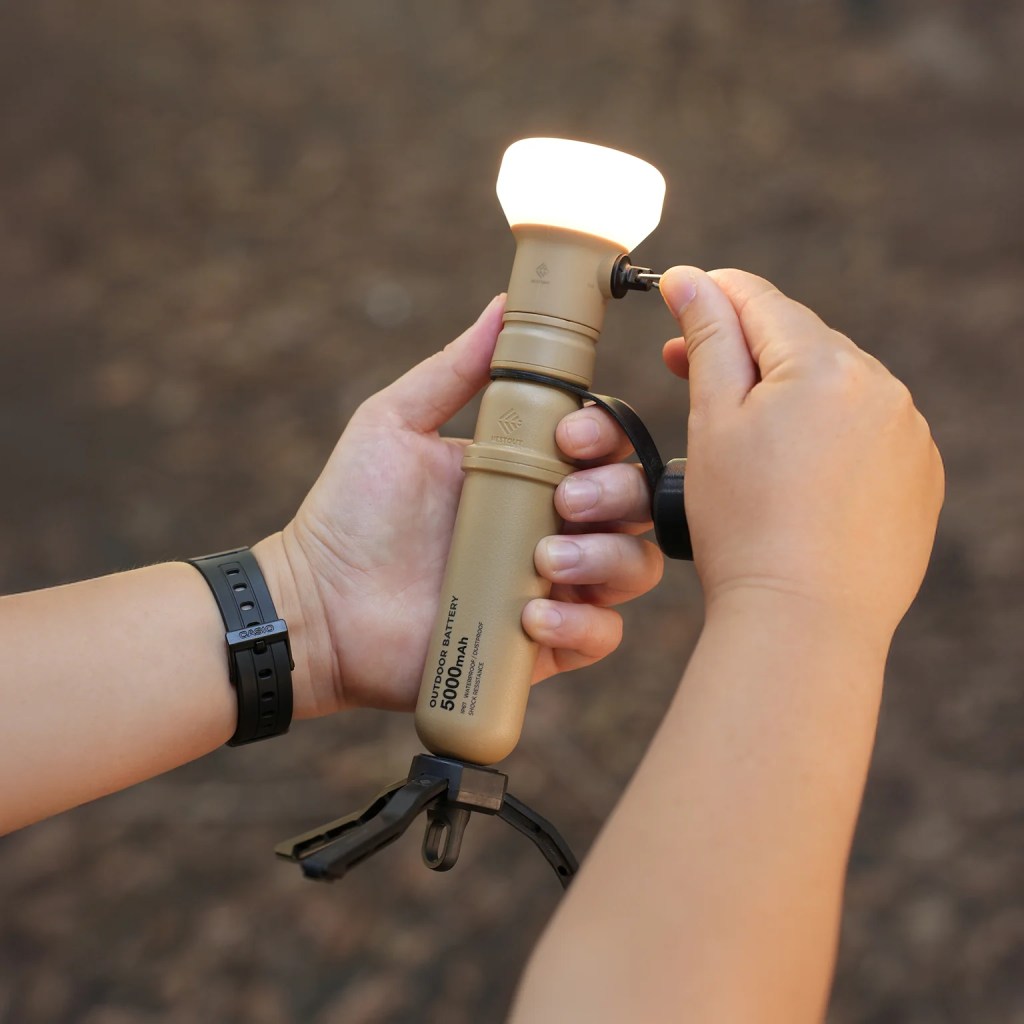
We’ve found Nestout‘s LAMP 1 Lantern to be a good choice for brightness, portability and versatility.
Like most tent or camping lanterns, its brightness is adjustable, making it suitable for everything from ‘in-tent’ illumination to lighting up most of an entire campsite. With both a tripod and a hanging loop, it’s able to be used a number of ways. Nestout’s battery units (depending on size) provide anywhere from 13 to 70 hours of lighting, and the battery units can also be paired with other accessories like fans.
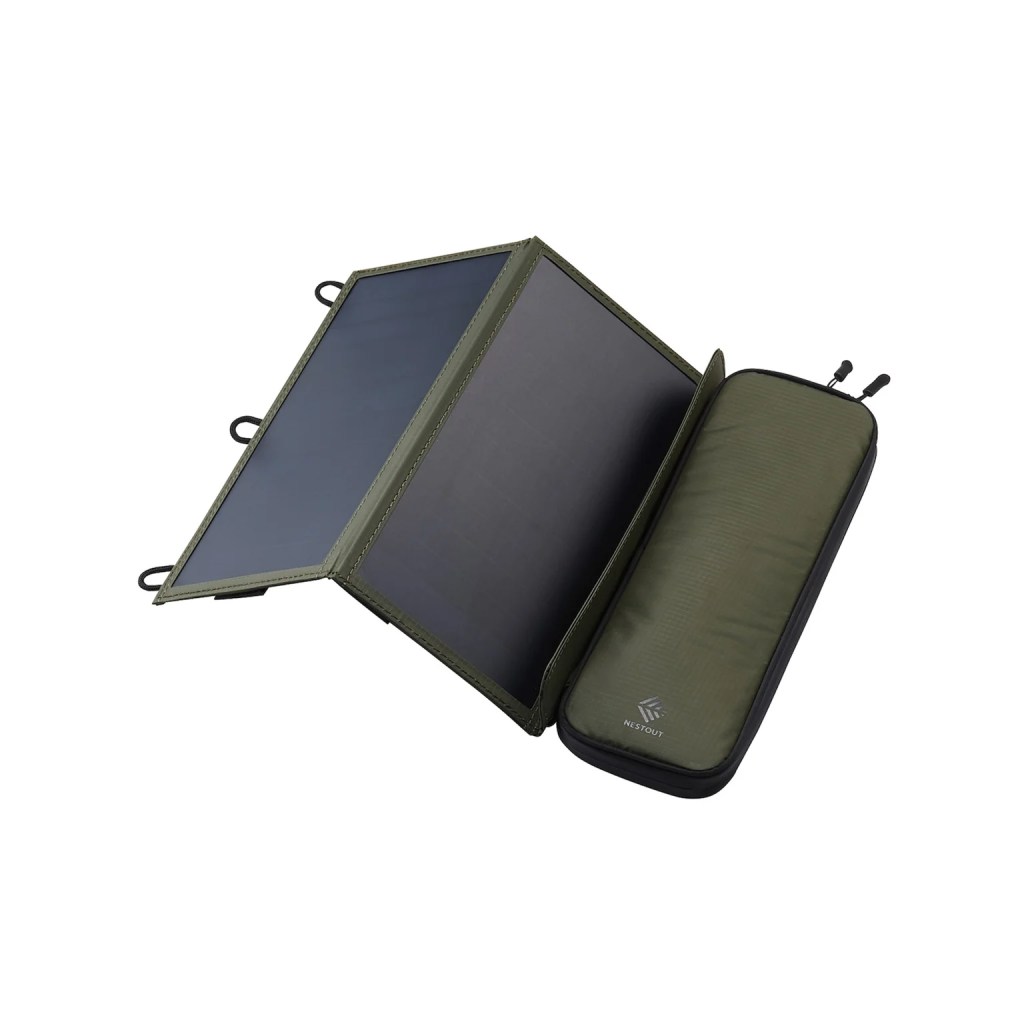
Adding to the versatility, the Nestout battery units can also be easily recharged with available solar charging panels or paired with a flatter, more directional LED panel light.
Take a Load Off
While a lot of campsites will have a log or two to sit on, I like having a camp chair to sit on, if only to be up off the ground or to have a little more padding. We’ve been lucky to have two new chairs in for review lately.
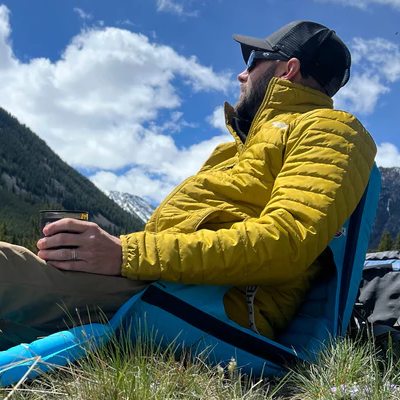
Everyone has probably sat on a Crazy Creek camp chair at some point in their life, but the AirLounger ($140) is a recent addition to a new line of inflatable chairs, and is definitely more versatile than its predecessors.
Building on the design and success of last year’s AirCliner, the AirLounger offers versatility for a range of activities, from lounging by the lake to relaxing around the campfire. In chair mode, the AirLounger provides a comfortable seating option with customizable cushion layers. When you want to stretch out and relax, it transforms into pillow mode, offering the perfect headrest. When it’s time for bed, the AirLounger unfolds into a 50-inch sleep pad, providing a compact (if not deluxe) sleeping solution. Best of all, it inflates in only five breaths, weighs 32 ounces, and rolls up to a compact 3-inch diameter. It’s definitely the go-to chair for sandy soil!
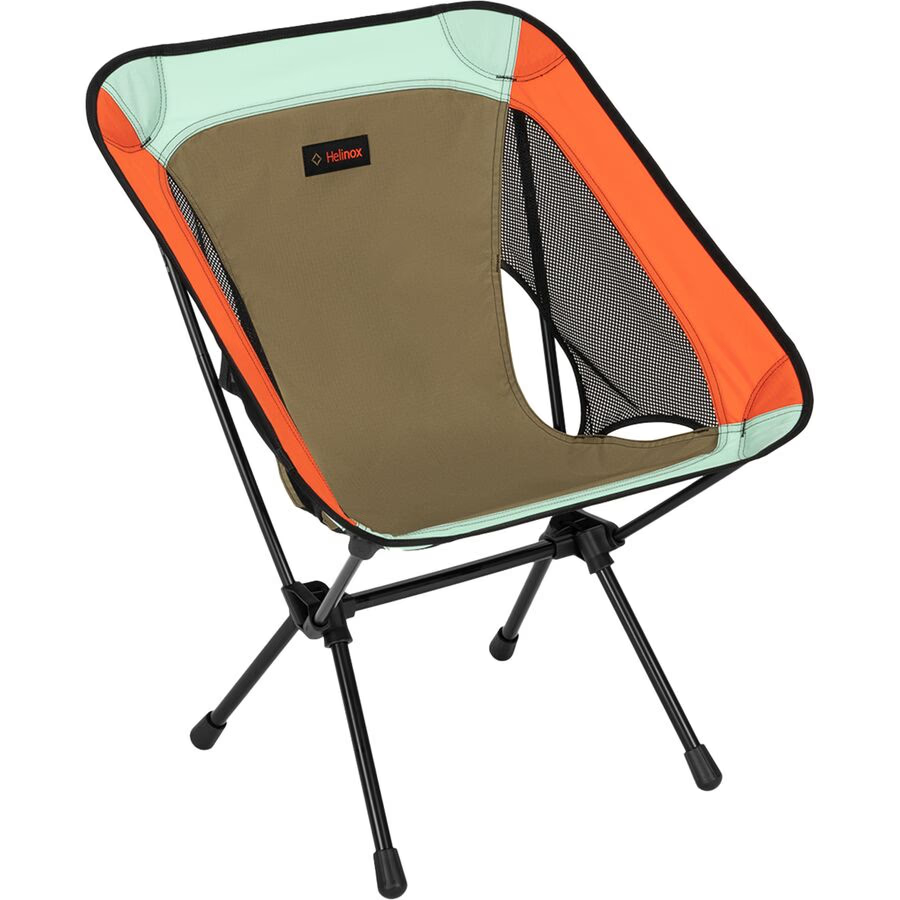
The Helinox Chair One (re) ($119) combines award-winning design, portability, and durability. It’s smaller and lighter than it’s predecessors, but the new (re)Tension Design technology adds a second tension line around the perimeter of the chair that better distributes weight around the frame, making it more comfortable.
I tend to try and pack light when I’m backcountry camping, but the Chair One (re) has made it out on several hiking trips with our testers. It weighs under two and half pounds and folds up to a fairly small bundle. The only complaints have been that the legs do tend to sink into soft or sandy soil and that some degree of agility is required to get out of it after sitting down.
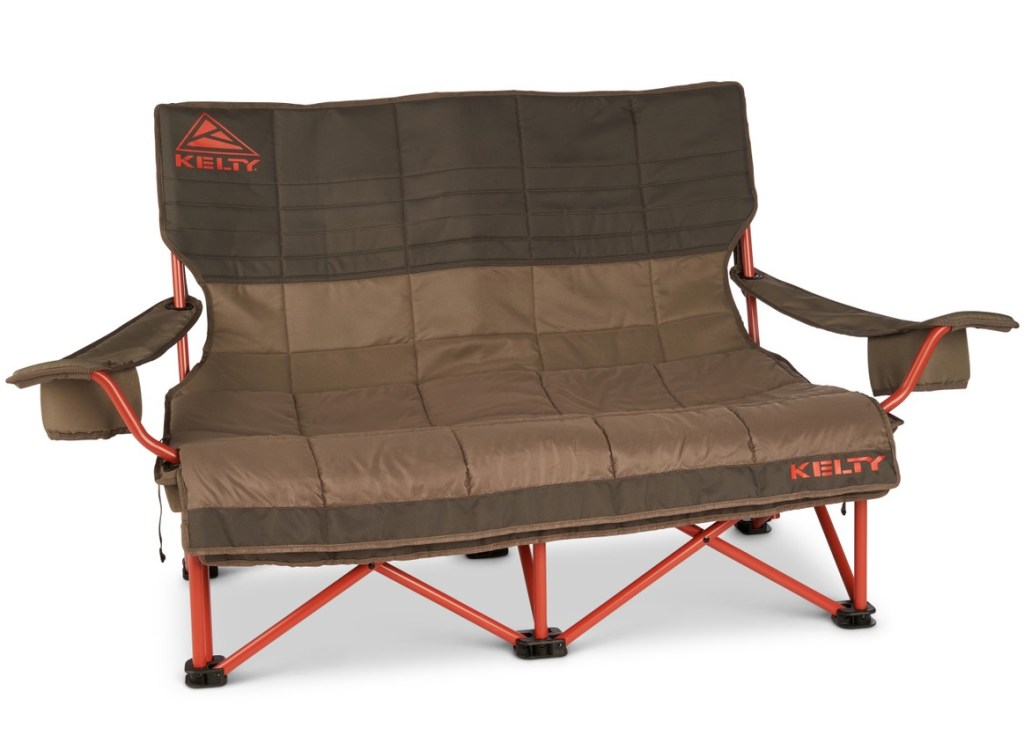
Now, if you REALLY want to get comfortable at base camp, be sure to check out the new Low Loveseat Nest ($150) from Kelty, combined with their Wayback Biggie Blanket ($90). No, it’s not ‘Netflix and chill’, but Mother Nature puts on a better show, anyhow.
Both the loveseat and blanket have just come in for review, so look for a more detailed review in a couple of months.
Making Dinner
With camp set and sleeping accommodations settled, it’s time to think about food.
Even for car camping, I tend to rely on staples like instant oatmeal for breakfast and foods like summer sausage, harder cheese varieties and fruit for lunch. But for dinner, I like to have something warm.
There’s always the possibility of a fire ring to heat water for meals, but we’ve all been in the situation where there is not enough dry wood to get a fire going.
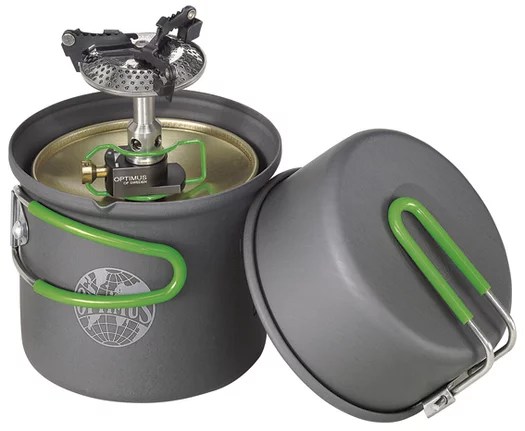
While the glampers might go for a full on propane dual burner stove, my needs are simpler. I’m always looking for gear that is versatile, and the Optimus Crux Lite Solo Cook System from Katadyn serves my needs for car and backcountry camping. This versatile system includes the feather-light Crux Stove along with the Terra Solo Cook Set. The Crux stove easily and quickly heats water for your choice of dried camp meals (and oatmeal!), and can also heat soups and the like. The Terra Solo Cook Set also includes a fry pan that doubles as the lid for the entire cook system. What’s more, the Terra Solo now comes with a non-stick coating, so cleanup is easy at the end of the day.
Get Out There!
I hope that this article gives you some guidance and inspiration for your fall camping adventures. At the end of the day, however, it doesn’t really matter what gear you use, as long as you get out there and enjoy nature and time with friends.


